
A textile editorial
A Short History of Kimono Fabric
Kimono fabric has long been treated as a form of visual poetry. Before clothing was called kimono (着物), garments known as koromo (衣) expressed season, rank, and emotion through colour and pattern. Literature shows textiles were read as carefully as verse.
「女の着たる衣の色合ひ、いと今めかしく、をかし」
As techniques advanced, fabric became a painted surface. Artisans dyed rivers, clouds, and flowers into silk, echoing the imagery of classical poetry. The Man’yōshū, Japan’s earliest poetry anthology, links cloth directly to nature:
「わが衣 手に取り持ちて 春霞」
Today, kimono fabric endures as wearable literature. Its motifs still speak in inherited symbols: blossoms for renewal, flowing water for continuity, cranes for long life. The cloth remembers what poetry once wrote.
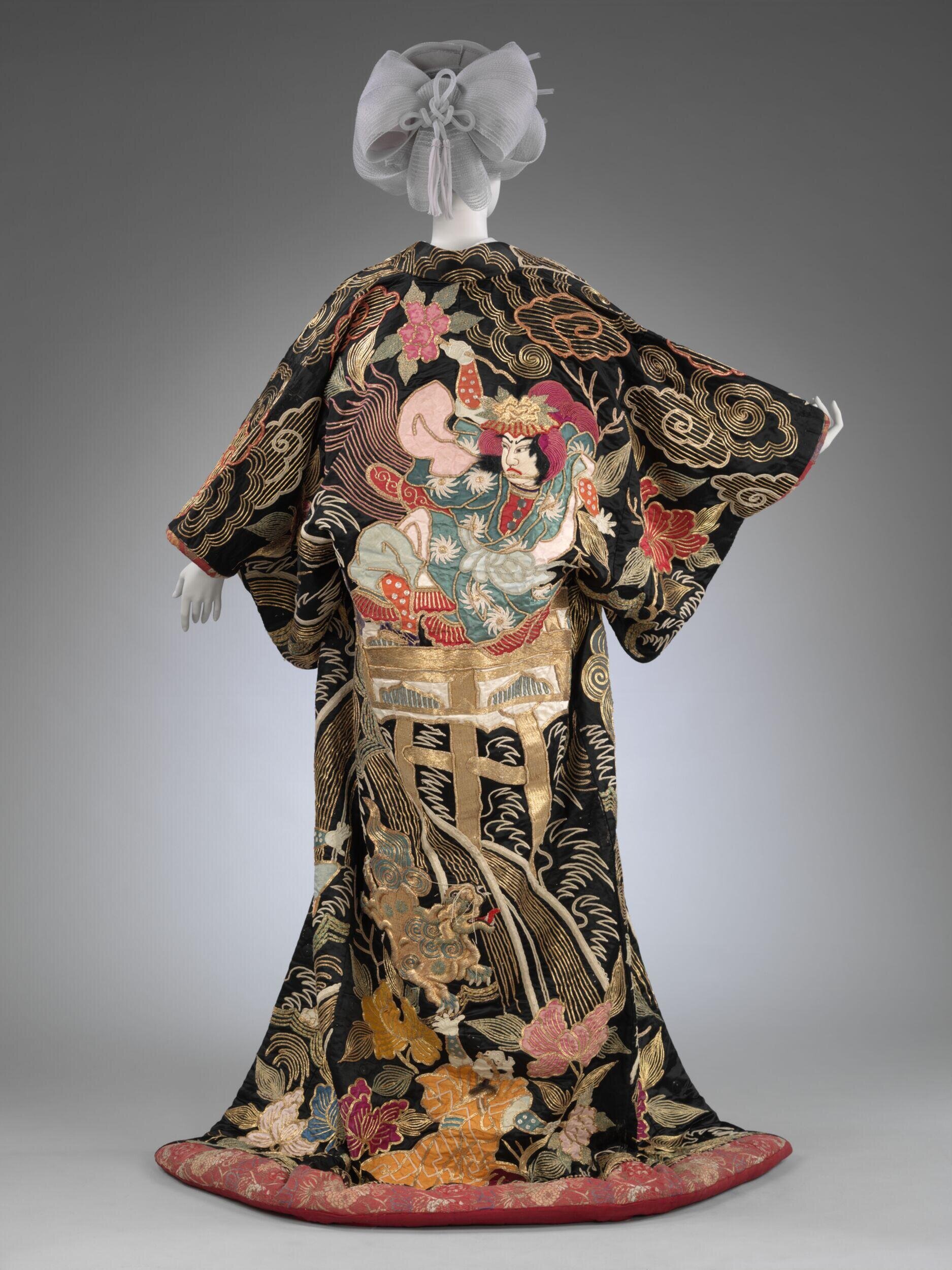
Cloth as a social language
Kimono fabric was never intended as surface decoration alone. It functioned as a visual language, to be read through season, symbol, and craftsmanship.
Colour combinations signalled rank and refinement, while pattern choices revealed sensitivity to time, place, and occasion.
Motifs of water, cloud, and blossom follow the same logic found in classical verse, where nature is not merely scenery but meaning itself.
A river suggests continuity, mist implies transience, and flowers mark the passing of the year. In this way, cloth and poetry share a grammar of symbols, allowing fabric to communicate without words.
Techniques such as yūzen dyeing and shibori weaving elevated textile to art form, where artisan skill conveyed subtlety and depth. The finest fabrics were those that balanced visual beauty with cultural nuance.
Core fibres you’ll see
- Silk Reserved for formal wear and ceremonial garments, valued for its luminous surface and its ability to hold complex dye work with precision and depth.
- Hemp / Ramie Favoured for summer garments, prized for their crisp texture and natural breathability in humid climates.
- Cotton Used for everyday yukata and practical clothing, chosen for durability, ease of washing, and comfort against the skin.
“Kimono fabric doesn’t just show taste. It shows time.”
Timeline: eras and technique
Layering, harmony, and court aesthetics
Fabric emerged as a language of court life. Colour layering followed precise seasonal rules (kasane no irome), and garments expressed emotion as clearly as poetry.
「衣の色目、心にくくをかし」
Silk signalled rank, sensitivity, and cultural refinement rather than decoration alone.
Urban craft and controlled luxury
Kimono fabric became a canvas for artisan skill. Dyeing techniques such as yūzen and shibori allowed landscapes, water, and clouds to appear across silk.
Sumptuary laws encouraged restraint, leading to quiet luxury and hidden pattern. Motifs became visual metaphors: flowing water for continuity, cranes for longevity, blossoms for renewal.
「わが衣 手に取り持ちて 春霞」
New dyes, new industry, enduring schools
With the arrival of Western dress, kimono shifted from everyday wear to ceremonial and artistic use. Antique bolts preserved seasonal codes and symbolic patterns as textile heritage.
Craft moved from necessity to preservation. What endured was meaning: designs remained tied to inherited imagery shaped by poetry and tradition.
What it means to us as a brand
For Anarchy & Lace, kimono fabric is both material and story: it lets a garment carry history without shouting. Each bolt preserves an aesthetic code shaped by poetry, ceremony, and daily life. What survives is not fashion, but an inherited visual language.
We source our vintage kimono silks with care, directly from Japan, preserving their history while reworking them into contemporary garments. In doing so, we honour the artistry of the past while creating pieces that speak to the present.